
Jennifer Malkin
LPC· Accepting clientsSouth Carolina · 20 yrs exp
Stress, Anxiety · LGBT · Relationship · Trauma and abuse · +14 more
Read profileThe therapist listings are provided by BetterHelp and we will earn a commission if you use our link - at no cost to you.
Welcome to our South Carolina online therapy directory. All therapists listed here hold state licenses to practice in South Carolina. Explore profiles to find a clinician whose experience and approach fit your needs.
South Carolina · 20 yrs exp
Stress, Anxiety · LGBT · Relationship · Trauma and abuse · +14 more
Read profile
South Carolina · 36 yrs exp
Stress, Anxiety · Addictions · Family · Trauma and abuse · +3 more
Read profile
South Carolina · 15 yrs exp
Stress, Anxiety · Addictions · Relationship · Family · +14 more
Read profile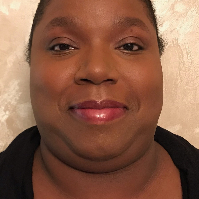
South Carolina · 4 yrs exp
Stress, Anxiety · Trauma and abuse · Anger · Depression · +13 more
Read profile
South Carolina · 5 yrs exp
Relationship · Family · Trauma and abuse · Intimacy-related issues · +15 more
Read profile
South Carolina · 8 yrs exp
Stress, Anxiety · Trauma and abuse · Self esteem · Depression · +16 more
Read profile
South Carolina · 8 yrs exp
Stress, Anxiety · Trauma and abuse · Anger · Bipolar · +13 more
Read profile
South Carolina · 9 yrs exp
Stress, Anxiety · Family · Eating · Self esteem · +9 more
Read profile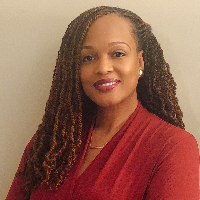
South Carolina · 18 yrs exp
Stress, Anxiety · Addictions · Relationship · Trauma and abuse · +9 more
Read profile
South Carolina · 6 yrs exp
Stress, Anxiety · Relationship · Trauma and abuse · Anger · +14 more
Read profile
South Carolina · 9 yrs exp
Stress, Anxiety · Addictions · Relationship · Grief · +11 more
Read profile
South Carolina · 25 yrs exp
Stress, Anxiety · Addictions · Depression · Coping with life changes · +10 more
Read profile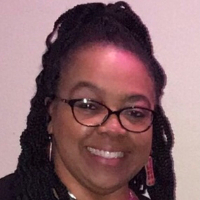
South Carolina · 25 yrs exp
Stress, Anxiety · Addictions · Relationship · Family · +9 more
Read profile
South Carolina · 25 yrs exp
Addictions · Relationship · Grief · Self esteem · +9 more
Read profile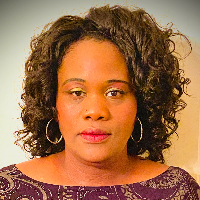
South Carolina · 9 yrs exp
Stress, Anxiety · Trauma and abuse · Grief · Depression · +16 more
Read profile
South Carolina · 16 yrs exp
Stress, Anxiety · Addictions · LGBT · Parenting · +12 more
Read profile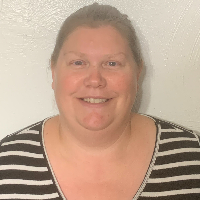
South Carolina · 18 yrs exp
Stress, Anxiety · Relationship · Trauma and abuse · Self esteem · +13 more
Read profile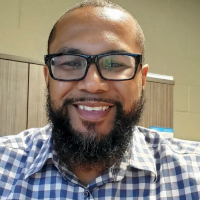
South Carolina · 11 yrs exp
Stress, Anxiety · Family · Self esteem · Depression · +16 more
Read profile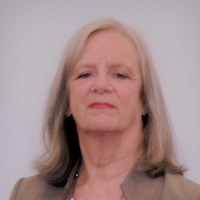
South Carolina · 20 yrs exp
Stress, Anxiety · Grief · Self esteem · Depression · +7 more
Read profile
South Carolina · 10 yrs exp
Stress, Anxiety · Addictions · Relationship · Depression · +10 more
Read profile
South Carolina · 6 yrs exp
Stress, Anxiety · Relationship · Trauma and abuse · Self esteem · +9 more
Read profile
South Carolina · 15 yrs exp
Stress, Anxiety · LGBT · Family · Trauma and abuse · +14 more
Read profile
South Carolina · 23 yrs exp
Family · Parenting · Anger · Self esteem · +8 more
Read profile
South Carolina · 21 yrs exp
Addictions · Trauma and abuse · Eating · Self esteem · +7 more
Read profileOnline therapy has become a widely available option for people across South Carolina, from coastal towns to inland communities. If you live in a rural area or a city, you can often access a range of licensed clinicians without long commutes. Most therapists who offer virtual care use video sessions, phone calls, or secure messaging tools to connect with clients, which makes scheduling more flexible and reduces the time you spend traveling. You should be aware that regulations and best practices continue to evolve, so it helps to ask potential therapists about their experience providing teletherapy, the platforms they use, and how they handle emergencies and referrals to local resources when in-person care is more appropriate.
When you look for online therapy in South Carolina, you will find clinicians who practice across several disciplines including licensed professional counselors, social workers, marriage and family therapists, and psychologists. Each of these professionals brings different training and typical approaches to care. The availability of virtual appointments means that you can search more broadly for a therapist with a specialty that matches your needs - for example a clinician who works with trauma, adolescents, or relationship issues - rather than limiting yourself to providers within easy driving distance.
Online therapy offers practical advantages that are especially relevant if you live in parts of South Carolina where access to specialized mental health services is limited. You can save time on commutes and arrange sessions around work or family responsibilities. For college students, seasonal workers, and people with caregiving duties, the flexibility of virtual appointments can make it easier to maintain continuity of care. If mobility or transportation is a barrier, online sessions can be a reliable alternative that keeps you connected to a therapist even during bad weather or scheduling disruptions.
Beyond convenience, virtual therapy can increase your options, allowing you to connect with therapists who have particular cultural, linguistic, or clinical expertise that might not be available locally. Many people find that the comfort of meeting from your home or another familiar setting helps you open up more quickly. At the same time, it is important to evaluate whether online therapy fits your situation - some concerns and crisis situations are better managed with in-person care or coordinated local support. Discuss any concerns about technology, communication preferences, and safety planning with your therapist early on so you both have clear expectations.
You can seek online therapy for a wide range of emotional and life challenges. Many people come to therapy for anxiety, depression, stress management, grief, and relationship difficulties. Therapists also support people navigating major life transitions such as career changes, parenting adjustments, relocation, and retirement. If you are dealing with trauma-related symptoms, behavioral health concerns, or chronic health conditions, therapists can offer coping strategies, therapeutic interventions, and referrals to community resources as needed.
Couples and families frequently use virtual sessions to work on communication, conflict resolution, and parenting strategies when coordinating schedules makes it hard to meet in person. Young adults and students may prefer online formats that fit around classes and campus life. While online therapy is well suited to talk-based therapies and many evidence-informed approaches, you should talk with a prospective therapist about their methods and whether they have experience treating the particular issue you are facing. Be candid about your goals so the therapist can describe realistic outcomes and potential next steps.
Before you begin therapy it is wise to confirm that the clinician is licensed to practice in South Carolina. Start by asking the therapist for their full legal name and license number. Then check the state licensing resources to verify the license status, expiration date, and any disciplinary history. The South Carolina Department that oversees professional licenses maintains a public license lookup that allows you to search by name or license number. Using that official search you can confirm that the license type matches the provider's described credentials and that the license is active.
If you are unsure how a clinician's professional title maps to a specific license, ask them to explain their credential and which board regulates their practice. You may also inquire about their education, continuing education, and how long they have been practicing. If the therapist is licensed in another state, ask whether they hold a South Carolina license or are authorized to provide care to residents of South Carolina. For added assurance, you can request documentation or a link to their license record and take a moment to review any available public records regarding complaints or actions.
Begin by clarifying your goals for therapy so you can focus your search on clinicians who specialize in those areas. When you find profiles that interest you, contact those therapists to ask about availability, session formats, fees, and whether they accept your insurance or offer sliding-scale options. Most clinicians will offer a brief initial consultation or intake session to determine fit and discuss practical matters such as appointment length and frequency. Use that first conversation to ask about their approach to teletherapy, how they handle missed sessions, and what kind of homework or between-session work they typically assign.
Prepare for your first session by choosing a private space where you can speak openly and be free from interruptions. Make sure your internet connection is reliable and that you know how to use the chosen video platform or phone system. It can help to write down key points you want to address so you get the most out of the initial meeting. If you have records from previous therapy or a list of medications and medical providers, have that information available to share. Finally, discuss emergency protocols with the therapist including how to reach local services if you need immediate in-person assistance between sessions.
Finding the right fit is both practical and personal. Start by looking for clinicians whose specialties align with your needs and who describe an approach that resonates with you. If cultural competence or experience with particular communities matters to you, prioritize clinicians who explicitly mention that work in their profiles. Pay attention to practical details such as availability, session length, and fees to ensure the arrangement will be sustainable. Remember that you can try a few different therapists before settling on one that feels right.
During early sessions evaluate how the therapist listens, how they explain their methods, and whether you feel understood and respected. Effective therapy relies on a collaborative relationship, so it is acceptable to raise concerns about approach or pacing and see how the therapist responds. Trust and rapport can take time to develop, but if after several sessions you consistently feel misunderstood or uneasy, it may be worth exploring other clinicians. Choosing a therapist is an active process - you have the right to ask questions, compare options, and find a clinician whose style and expertise help you move toward your goals.
Online therapy in South Carolina can expand your options and make ongoing care more adaptable to your life. By verifying credentials, clarifying your goals, and assessing fit early on, you increase the likelihood of a helpful therapeutic relationship that fits your schedule and needs. Take your time with the search and use initial consultations to find a professional who feels like a good match for the work you want to do.