
Dr. David Mathews
LICSW· Accepting clientsMinnesota · 35 yrs exp
Relationship · Family · Trauma and abuse · Parenting · +8 more
Read profileThe therapist listings are provided by BetterHelp and we will earn a commission if you use our link - at no cost to you.
Welcome to our Minnesota online therapy directory. All therapists listed here are licensed in Minnesota - explore profiles to find counselors who match your needs and schedule a consultation.
Minnesota · 35 yrs exp
Relationship · Family · Trauma and abuse · Parenting · +8 more
Read profile
Minnesota · 13 yrs exp
Stress, Anxiety · Addictions · Trauma and abuse · Self esteem · +9 more
Read profile
Minnesota · 7 yrs exp
Stress, Anxiety · LGBT · Trauma and abuse · Self esteem · +9 more
Read profile
Minnesota · 7 yrs exp
Stress, Anxiety · Addictions · Grief · Depression · +10 more
Read profile
Minnesota · 5 yrs exp
Stress, Anxiety · Family · Trauma and abuse · Grief · +10 more
Read profile
Minnesota · 25 yrs exp
Stress, Anxiety · Addictions · Trauma and abuse · Grief · +12 more
Read profile
Minnesota · 20 yrs exp
Stress, Anxiety · Relationship · Family · Grief · +10 more
Read profile
Minnesota · 30 yrs exp
Stress, Anxiety · Relationship · Family · Trauma and abuse · +16 more
Read profile
Minnesota · 10 yrs exp
Stress, Anxiety · Anger · Self esteem · Coping with life changes · +8 more
Read profile
Minnesota · 40 yrs exp
Stress, Anxiety · Addictions · Trauma and abuse · Grief · +10 more
Read profile
Minnesota · 9 yrs exp
Stress, Anxiety · Trauma and abuse · Depression · Addictions · +7 more
Read profile
Minnesota · 25 yrs exp
Addictions · Relationship · Grief · Depression · +8 more
Read profile
Minnesota · 7 yrs exp
Stress, Anxiety · Trauma and abuse · Grief · Self esteem · +9 more
Read profile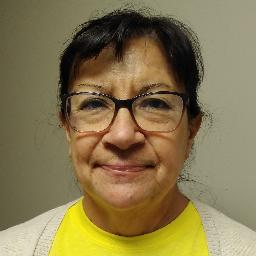
Minnesota · 29 yrs exp
Addictions · Relationship · Self esteem · Depression · +11 more
Read profile
Minnesota · 11 yrs exp
Stress, Anxiety · Trauma and abuse · Anger · Self esteem · +14 more
Read profile
Minnesota · 35 yrs exp
Stress, Anxiety · Relationship · Trauma and abuse · Depression · +6 more
Read profile
Minnesota · 6 yrs exp
Stress, Anxiety · Addictions · Trauma and abuse · Depression · +1 more
Read profile
Minnesota · 5 yrs exp
Stress, Anxiety · Addictions · Trauma and abuse · Self esteem · +1 more
Read profile
Minnesota · 9 yrs exp
Stress, Anxiety · Addictions · Relationship · Depression · +1 more
Read profile
Minnesota · 38 yrs exp
Addictions · Relationship · Trauma and abuse · Self esteem · +1 more
Read profile
Minnesota · 29 yrs exp
Stress, Anxiety · Grief · Self esteem · Depression · +12 more
Read profile
Minnesota · 8 yrs exp
Stress, Anxiety · Relationship · Grief · Self esteem · +8 more
Read profile
Minnesota · 7 yrs exp
Stress, Anxiety · Relationship · Family · Depression · +8 more
Read profile
Minnesota · 7 yrs exp
Relationship · Family · Self esteem · Bipolar · +12 more
Read profileIf you live in Minnesota, online therapy has become a widely available option for connecting with mental health professionals from home, work, or while traveling within the state. Therapists use video sessions, phone calls, and secure messaging to offer regular appointments and follow-up between visits. These formats make it possible to access a broader network of clinicians than you might find locally, including practitioners who specialize in certain age groups, cultural backgrounds, or therapeutic approaches.
Minnesota includes both urban centers and large rural areas, and online therapy helps bridge distance by removing commute time and reducing the need to travel in difficult weather. Availability can depend on your internet connection and device, so ensure you have a reliable camera and microphone for video sessions. Many clinicians will also offer phone-only sessions when video is not feasible. Before you book, check whether your therapist has experience working with clients in locations similar to yours and whether they can adapt their approach to your technology and lifestyle.
One of the most immediate benefits you will notice is convenience. Online appointments eliminate travel time and allow you to fit therapy around work, school, or caregiving responsibilities. This flexibility can make it easier to attend sessions consistently, which is a major factor in making progress over time. Evening and weekend options are also more common with online clinicians, so you can find times that suit your schedule.
When you search online, you gain access to therapists across Minnesota rather than being limited to those within a short drive. That broader choice increases the likelihood of finding a therapist whose expertise, therapy style, and cultural background align with what you need. You can read bios, view specialties, and often watch introductory videos to get a sense of each therapist before reaching out. This makes the matching process more efficient and can help you find a better fit more quickly.
Online therapists in Minnesota commonly work with people facing anxiety, depression, stress related to work or school, grief, and major life transitions like relocation or career change. You can seek support for coping strategies, improving daily functioning, and building skills to manage symptoms. Therapy can also offer space to process feelings related to relationships, parenting, and identity development without needing to attend in-person sessions.
Many online clinicians provide counseling for couples and families, addressing communication problems, conflict, and parenting challenges. Some therapists specialize in premarital counseling or support for blended families. While some family work may benefit from in-person interaction, many clinicians adapt their methods effectively for online formats, using guided conversation, behavioral assignments, and communication exercises that you can practice between sessions.
Before you begin, it is important to confirm that a therapist is licensed to practice in Minnesota. You can do this by using the state licensing search tool provided by Minnesota's professional licensing authority. Enter the clinician's full name or license number to view their current license status, the type of license held, expiration date, and whether any disciplinary actions are listed. If you have questions about what you find, contact the licensing office directly - they can explain any entries or provide guidance on license verification.
Licensure tells you that a clinician has met state requirements, but you should also look at their credentials and training. Many therapists will list graduate degrees, certifications, and areas of post-graduate training on their profile. Pay attention to stated specialties, such as trauma-informed care, cognitive behavioral techniques, or family therapy modalities, and consider whether those align with your needs. You can also ask a prospective therapist about their experience with clients who have concerns similar to yours and about their approach to working online.
Begin by narrowing your search to therapists who list the issues you want to address and who accept your preferred payment methods or insurance. Reach out through the contact form or phone number on a therapist's profile to ask about availability, session length, and whether they offer a brief consultation to see if you are a good fit. During that initial conversation you can confirm practical details such as fees, cancellation policies, and whether they can provide documentation for insurance claims if needed. A short introductory call can also help you evaluate how comfortable you feel communicating with the clinician.
As you compare options, think about what matters most to you in a therapeutic relationship. Consider whether you prefer a therapist who is more directive or more exploratory, whether cultural competence and lived experience are important, and whether you want someone who focuses on skills-based work or long-term exploration. You should also ask about the therapist's experience with online sessions, how they handle emergencies or crises, and what kind of homework or between-session supports they typically recommend. Trust your impressions during a trial session - rapport and feeling heard are essential to making progress.
To get the most from online therapy, prepare a quiet, comfortable setting where you will not be interrupted. Use a reliable device and test your camera and microphone beforehand. Have a plan for privacy in your home or car and let household members know when you will be unavailable. Keep a notebook for session notes and reflections, and be ready to try small behavioral assignments or communication experiments between sessions - those practical steps often produce meaningful gains. If you use insurance, verify coverage before starting and ask your therapist for any codes or documentation your insurer requires.
If after a few sessions you do not feel understood or you are not making progress toward the goals you set with your therapist, it is reasonable to discuss this openly or to seek a second opinion. A good clinician will welcome that conversation and help you decide whether to adjust the approach, refer you to a colleague, or continue with a different focus. Prioritize finding a clinician with whom you can be open and who helps you feel more capable of addressing the concerns that brought you to therapy.
Online therapy in Minnesota offers flexible access, a wide range of specialties, and practical options for fitting care into your life. By verifying licensure, preparing for technology needs, and choosing a therapist whose style and experience align with your goals, you can take confident steps toward better mental health. Use the listings on this site to compare profiles, read about approaches, and schedule an initial consultation to find the right fit for you.