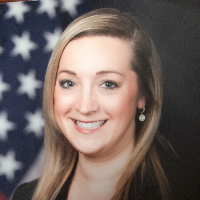
Brittany Bordonaro
LICSWDistrict of Columbia · 15 yrs exp
Relationship · Family · Trauma and abuse · Self esteem · +12 more
Read profileThe therapist listings are provided by BetterHelp and we will earn a commission if you use our link - at no cost to you.
Welcome to TherapistDirectory's listing of online therapists serving District of Columbia. All therapists listed here are licensed; explore profiles to compare specialties, approaches, and availability.
District of Columbia · 15 yrs exp
Relationship · Family · Trauma and abuse · Self esteem · +12 more
Read profile
District of Columbia · 30 yrs exp
Stress, Anxiety · Relationship · Self esteem · Depression · +12 more
Read profile
District of Columbia · 10 yrs exp
Stress, Anxiety · Addictions · Self esteem · Depression · +11 more
Read profile
District of Columbia · 20 yrs exp
Relationship · Family · Trauma and abuse · Depression · +14 more
Read profile
District of Columbia · 30 yrs exp
Family · Parenting · Career · Coping with life changes · +13 more
Read profile
District of Columbia · 14 yrs exp
Stress, Anxiety · Relationship · Trauma and abuse · Anger · +10 more
Read profile
District of Columbia · 20 yrs exp
Addictions · LGBT · Trauma and abuse · Depression · +12 more
Read profile
District of Columbia · 25 yrs exp
Stress, Anxiety · Relationship · Trauma and abuse · Grief · +9 more
Read profile
District of Columbia · 10 yrs exp
Stress, Anxiety · Relationship · Depression · Coping with life changes · +5 more
Read profile
District of Columbia · 24 yrs exp
Stress, Anxiety · Relationship · Family · Trauma and abuse · +15 more
Read profile
District of Columbia · 30 yrs exp
Stress, Anxiety · Addictions · Trauma and abuse · Parenting · +15 more
Read profile
District of Columbia · 10 yrs exp
Stress, Anxiety · Addictions · Depression · LGBT · +9 more
Read profile
District of Columbia · 30 yrs exp
Stress, Anxiety · Addictions · LGBT · Relationship · +3 more
Read profile
District of Columbia · 3 yrs exp
Stress, Anxiety · Self esteem · ADHD · Addictions · +5 more
Read profileOnline therapy in District of Columbia has become a widely used option for people seeking mental health and emotional support without the need to commute to an office. Many clinicians licensed to serve DC offer video sessions, phone consultations, and secure messaging to accommodate different schedules and comfort levels. Regulations in District of Columbia require that clinicians be authorized to provide care to residents within the district, so therapists who list online services typically note whether they are licensed to practice with DC residents or whether they can provide care across state lines under specific conditions.
As you explore options, you will notice a range of professionals - psychologists, licensed clinical social workers, professional counselors, and marriage and family therapists - who bring varied training and therapeutic approaches. Those differences matter because they affect how a therapist frames treatment, the techniques they use, and the kinds of conditions they commonly treat. Online therapy availability also means you can access specialists who focus on issues that may be less common in small geographic areas, including perinatal mental health, trauma-informed care, or culturally specific services.
In DC, the focus is on accessible care that aligns with local licensing rules and ethical standards. If you live or work in DC and prefer virtual sessions, you can often find clinicians who offer evening or weekend hours, bilingual services, and approaches tailored to urban living and the unique stressors that come with it. This accessibility supports continuity of care when life gets busy or when you are balancing work and family obligations.
Online therapy brings several practical benefits that may be particularly relevant if you live in District of Columbia. You can save commuting time and avoid transit concerns, which is helpful if your schedule is tight or if transportation is a barrier. You can fit sessions into lunch breaks or evenings without losing productive time, and you can choose a clinician whose training and specialties match your needs even if they are not located in your immediate neighborhood.
Beyond convenience, online therapy can expand access to clinicians with specific expertise. If you are seeking treatment from someone who understands your cultural background, speaks your language, or specializes in issues like workplace stress, grief, or relationship challenges, virtual care can connect you with those professionals more easily. You also have more flexibility in trying different therapists - you can schedule an initial consultation with several clinicians to see who feels like the best fit without travel commitments.
When you choose online therapy, you can manage logistics more smoothly. Many clinicians provide electronic intake forms and clear information about fees and cancellation policies up front. If you rely on insurance or want to use a health savings account, you can confirm reimbursement policies before committing to regular sessions. Online therapy is not a one-size-fits-all solution, but for many people in DC it offers an adaptable, accessible path to care that fits into busy lives.
Online therapists in District of Columbia address a wide range of emotional, behavioral, and relational concerns. You can find clinicians who work with anxiety, depression, stress management, and life transitions such as moving, career changes, or relationship shifts. Therapists also support people dealing with trauma, grief, parenting challenges, and chronic health conditions that impact mood and functioning. Many clinicians offer specialized work with couples, family dynamics, and issues related to identity, such as LGBTQ+ concerns or multicultural stressors.
Because therapists bring different modalities - cognitive behavioral therapy, psychodynamic approaches, acceptance and commitment therapy, mindfulness-based strategies, and more - you can choose professionals whose methods align with your preferences. Some people benefit from goal-focused short-term work, while others seek longer-term therapy to explore deeper patterns. If you have a specific concern, look for therapists who mention relevant specialties and experience working with similar issues, and ask about their approach during an initial consultation.
Whether you are an adolescent, a young adult navigating career and relationships, a parent juggling multiple roles, or an older adult facing life transitions, online therapists in DC provide support tailored to stage-specific challenges. You can often find clinicians who work with children and teens through family-based interventions, therapists who specialize in perinatal and postpartum care, and clinicians experienced in age-related mood and adjustment concerns. This breadth of services allows you to find targeted help that matches where you are in life.
Verifying a therapist's license is an important step to ensure you are working with a qualified professional who meets District of Columbia's regulatory standards. First, note the clinician's license type and any degree credentials listed on their profile. Common license designations include licensed professional counselor, licensed clinical social worker, licensed marriage and family therapist, and clinical psychologist. Once you have the license type and the clinician's full name, you can check the appropriate licensing authority for public records on active licenses, expiration dates, and any disciplinary actions.
Every jurisdiction has a licensing board or department that maintains records you can search online. On those portals you can typically enter a clinician's name or license number to confirm their status. If you have difficulty finding information online, you can call the licensing office for guidance on how to verify credentials. When you review the record, look for the license status, date of issue, and whether any complaints or restrictions are listed. Those details help you make an informed choice about a therapist's suitability for your needs.
When you contact a therapist, you can ask them directly about their license number, training, years of experience, and whether they are authorized to provide teletherapy to people residing in District of Columbia. If you plan to use insurance, ask whether they are in-network or if they provide a receipt you can submit for reimbursement. Asking these questions up front saves time and gives you clarity about the clinician's qualifications and how they handle administrative matters.
Getting started with an online therapist begins with clarifying what you want from therapy. Think about the goals you hope to achieve, whether you prefer short-term or longer-term work, and any practical constraints such as budget, scheduling, or language needs. Use the directory to filter for clinicians who list relevant specialties and availability. Many therapists offer a brief phone or video consultation at little or no cost; these sessions are a chance to get a sense of how the clinician communicates and whether their style feels like a good match.
When you evaluate options, consider both experience and fit. Experience in treating a specific issue is important, but so is a therapist's interpersonal approach. You want to feel heard and respected. Pay attention to how a clinician describes their methods and whether they explain treatment planning, progress measures, and session structure. Practical matters - such as fees, cancellation policies, and technical requirements for video sessions - should be clear before you book your first appointment.
Prepare for your first session by finding a quiet, private area where you can speak freely and without interruption. Test your internet connection and the video platform in advance to reduce technical stress. Have a list of what you want to discuss and any questions about the therapist's approach or logistics. After a few sessions, reflect on whether you feel understood and whether progress toward your goals is occurring. It is normal to try more than one clinician before finding the right fit, and making a change is a reasonable step if your needs are not being met.
Choosing an online therapist in District of Columbia is a personal decision that benefits from informed comparison and clear communication. By checking credentials, asking about experience and teletherapy authorization, and paying attention to how you feel in early sessions, you can find a clinician who helps you move toward your goals. Use this directory to explore profiles, reach out for consultations, and schedule the first session when you are ready to begin.