
Yanina Lambert
LMFT· Accepting clientsCalifornia · 20 yrs exp
Stress, Anxiety · Relationship · Trauma and abuse · Depression · +12 more
Read profileThe therapist listings are provided by BetterHelp and we will earn a commission if you use our link - at no cost to you.
Welcome to TherapistDirectory's California online therapy listings for residents seeking licensed mental health support. All therapists shown here are licensed in California and available for online sessions - explore profiles to find a clinician who fits your needs.
California · 20 yrs exp
Stress, Anxiety · Relationship · Trauma and abuse · Depression · +12 more
Read profile
California · 7 yrs exp
Stress, Anxiety · Addictions · Trauma and abuse · Grief · +8 more
Read profile
California · 25 yrs exp
Stress, Anxiety · Self esteem · Career · Coping with life changes · +10 more
Read profile
California · 5 yrs exp
Stress, Anxiety · Relationship · Family · Depression · +13 more
Read profile
California · 5 yrs exp
Relationship · Grief · Parenting · Self esteem · +11 more
Read profile
California · 6 yrs exp
Stress, Anxiety · Addictions · Relationship · Depression · +10 more
Read profile
California · 35 yrs exp
Stress, Anxiety · Relationship · Family · Trauma and abuse · +12 more
Read profile
California · 35 yrs exp
Stress, Anxiety · LGBT · Grief · Depression · +7 more
Read profile
California · 20 yrs exp
Stress, Anxiety · Addictions · Trauma and abuse · Anger · +1 more
Read profile
California · 45 yrs exp
LGBT · Relationship · Parenting · Bipolar · +14 more
Read profile
California · 27 yrs exp
Addictions · Relationship · Family · Anger · +11 more
Read profile
California · 30 yrs exp
Stress, Anxiety · Relationship · Family · Intimacy-related issues · +16 more
Read profile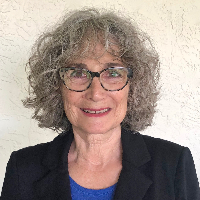
California · 35 yrs exp
Stress, Anxiety · Relationship · Grief · Self esteem · +6 more
Read profile
California · 10 yrs exp
Stress, Anxiety · Addictions · Trauma and abuse · Self esteem · +6 more
Read profile
California · 37 yrs exp
Addictions · Relationship · Family · Intimacy-related issues · +8 more
Read profile
California · 30 yrs exp
Stress, Anxiety · Addictions · LGBT · Relationship · +16 more
Read profile
California · 30 yrs exp
Stress, Anxiety · Addictions · Relationship · Trauma and abuse · +11 more
Read profile
California · 30 yrs exp
Stress, Anxiety · Relationship · Family · Trauma and abuse · +12 more
Read profile
California · 26 yrs exp
Stress, Anxiety · Addictions · Grief · Intimacy-related issues · +11 more
Read profile
California · 37 yrs exp
Stress, Anxiety · Relationship · Family · Grief · +4 more
Read profile
California · 18 yrs exp
Stress, Anxiety · Addictions · Relationship · Family · +1 more
Read profile
California · 12 yrs exp
Stress, Anxiety · Trauma and abuse · Grief · Self esteem · +12 more
Read profile
California · 40 yrs exp
Stress, Anxiety · Addictions · Self esteem · Depression · +5 more
Read profile
California · 20 yrs exp
Addictions · Trauma and abuse · Grief · Self esteem · +1 more
Read profileOnline therapy has become a widely available option across California, offering more ways to connect with a licensed clinician than ever before. Whether you live in a dense urban center, a suburban neighborhood, or a rural community, you can usually find therapists who offer video or phone sessions that fit into your schedule. Regulations require that a clinician be licensed in the state where you are located during a session, so most listings here focus on therapists who are authorized to provide care to people in California. This availability expands choices for specialty care, flexible hours, and clinicians who work with particular age groups, cultural backgrounds, or therapeutic approaches. When you sign up for an online session, expect a process similar to in-person care - an intake or assessment to understand your goals, a discussion of fees and scheduling, and an agreed plan for follow-up. Technology requirements are generally simple - a reliable internet connection and a device with a camera and microphone for video sessions - but some clinicians will also offer phone sessions when needed.
Online therapy can remove many practical barriers that have historically made it harder to get consistent care. You avoid travel time and parking hassles, which is especially valuable in high-traffic areas such as Los Angeles and the Bay Area. For people with mobility limitations, chronic conditions, or caregiving responsibilities, remote sessions can make it easier to maintain regular appointments. Online therapy also broadens your options so you can work with a therapist who has specific expertise or cultural competence even if they are not located in your immediate neighborhood. In addition, the flexibility of scheduling can help you find appointment times outside the standard 9-to-5 window, which is helpful if you work irregular hours. While online therapy is convenient, it still allows for meaningful therapeutic work. Many clinicians adapt evidence-based approaches for remote delivery and use screen-sharing, digital worksheets, and therapeutic exercises that you can practice between sessions. If you are considering online therapy, think about how a remote format would fit into your daily routine and whether you prefer video or phone contact, as that can shape which therapists will be best for you.
Online therapists in California work with a wide range of concerns, from short-term stressors to longer-term emotional challenges. You will commonly find clinicians who help with anxiety, depressive symptoms, relationship conflicts, and life transitions such as career change, relocation, or adjusting to parenting. Many also offer specialized care for trauma-related responses, grief and loss, and difficulties related to identity or cultural stress. Couples therapy is increasingly offered via online formats, with approaches adapted for virtual interaction. Therapists also support people managing workplace stress, academic pressures, and issues related to substance use or behavioral patterns. If you are seeking help for a specific concern, look for therapists who name that issue in their profile and describe approaches they use. Some clinicians offer targeted interventions like cognitive-behavioral techniques, skills training for emotion regulation, or trauma-informed modalities, while others focus on longer-term exploratory work. You can often get a sense of clinical focus and expertise from a profile summary or an initial consultation, which helps you assess whether a therapist’s style and experience align with your needs.
Confirming a therapist's license is an important step to ensure you are working with a qualified professional. In California, mental health professionals are licensed by state regulatory bodies that maintain public license lookup tools. When you view a therapist's profile, you should find information about their license type and number. To verify that information, use the state board's online verification system to confirm that the license is current and to check for any disciplinary actions or restrictions. Start by noting the license type - for example, licensed clinical social worker, licensed marriage and family therapist, or licensed psychologist - and the license number listed on the clinician’s profile. Enter that number into the board's search tool and review the details, including expiration dates and any public records that may be available. If you have questions about what you find, you can contact the licensing board directly for clarification. Verifying a license gives you confidence in a therapist's credentials and lets you compare what is listed in a profile with the official record. It can also help you understand whether a clinician has undergone additional certifications or training that are relevant to your concerns.
When you check a license, pay attention to whether the license is active, when it was issued and when it expires, and whether there are any publicly reported actions. Active licenses indicate the clinician has met state requirements for education, supervised experience, and examinations. Public reports are typically available in summarized form and can include resolved complaints or disciplinary measures; these are presented by the regulatory body and not meant to alarm you but to give factual context. If a profile lists professional qualifications beyond the state license - such as additional training, certifications, or specializations - you can ask the therapist directly about those credentials during an initial consultation to understand how they inform their approach.
Beginning online therapy is a process of exploration and practical steps. Start by clarifying what you hope to get from therapy - whether that is symptom relief, relationship improvement, coping skills, or personal growth. Use those goals to narrow your search for clinicians who describe relevant experience and therapeutic modalities. Reach out for an initial consultation or intake session to get a sense of the therapist's style, communication, and whether their approach feels like a good fit. During that first contact, ask about logistics - session length, fee structure, cancellation policy, and whether they accept insurance or offer sliding-scale fees when available. You should also ask how they handle emergencies or situations that require immediate support, since remote therapy requires planning for urgent needs.
Prepare for your first session by listing the issues you want to address and any questions about the therapist's methods. Test your audio and video setup ahead of time to minimize technical interruptions, and choose a quiet, comfortable setting where you can speak openly. If you have prior treatment records or assessments, consider sharing those with the therapist to provide context. Pay attention to how you feel after the first few sessions - effective therapy often requires some time to build rapport, but you should generally feel that progress is possible and that the therapist listens and responds to your goals. If the fit is not right, it is reasonable to try a different clinician; finding the right working relationship often makes the biggest difference in outcomes.
To get the most from online therapy, treat it as a commitment that fits into your daily life rather than an occasional convenience. Schedule sessions at times that you can consistently attend, and set aside a quiet place where you will not be interrupted. If you have concerns about insurance coverage, billing, or records, discuss those early so there are no surprises. Over time, work with your therapist to set clear, measurable goals and revisit them periodically to assess progress. Many people find online therapy to be a flexible, effective way to access care that fits around work, family, and other responsibilities. By taking a proactive approach to verification, practical planning, and intentional choice of a clinician, you increase the likelihood that online therapy will be a meaningful resource on your path forward.
If you are ready to begin, browse the California online therapist listings on this page, review profiles and credentials, and request a consultation to see who feels like the best fit for your needs.