
Treva Ross-Sanders
LPC· Accepting clientsArkansas · 25 yrs exp
Stress, Anxiety · Family · Trauma and abuse · Parenting · +13 more
Read profileThe therapist listings are provided by BetterHelp and we will earn a commission if you use our link - at no cost to you.
Welcome to our Arkansas online therapist listings. All therapists shown here are licensed in Arkansas and provide virtual counseling across the state. Explore the profiles below to find professionals who match your needs and schedule a consultation.
Arkansas · 25 yrs exp
Stress, Anxiety · Family · Trauma and abuse · Parenting · +13 more
Read profile
Arkansas · 58 yrs exp
Stress, Anxiety · Relationship · Depression · Coping with life changes · +12 more
Read profile
Arkansas · 19 yrs exp
Stress, Anxiety · Trauma and abuse · Sleeping · Anger · +12 more
Read profile
Arkansas · 13 yrs exp
Stress, Anxiety · Trauma and abuse · Self esteem · Depression · +12 more
Read profile
Arkansas · 50 yrs exp
Stress, Anxiety · Addictions · Relationship · Family · +1 more
Read profile
Arkansas · 30 yrs exp
Addictions · Trauma and abuse · Anger · Self esteem · +13 more
Read profile
Arkansas · 5 yrs exp
Stress, Anxiety · Self esteem · Coping with life changes · Addictions · +7 more
Read profile
Arkansas · 20 yrs exp
Relationship · Self esteem · Career · Coping with life changes · +6 more
Read profile
Arkansas · 14 yrs exp
Stress, Anxiety · Relationship · Family · Parenting · +13 more
Read profile
Arkansas · 37 yrs exp
Stress, Anxiety · Relationship · Trauma and abuse · Grief · +13 more
Read profile
Arkansas · 40 yrs exp
Stress, Anxiety · Addictions · Family · Trauma and abuse · +16 more
Read profile
Arkansas · 5 yrs exp
Stress, Anxiety · Self esteem · Career · Depression · +9 more
Read profile
Arkansas · 9 yrs exp
Stress, Anxiety · Relationship · Family · Grief · +15 more
Read profile
Arkansas · 10 yrs exp
Stress, Anxiety · Addictions · Trauma and abuse · Self esteem · +13 more
Read profile
Arkansas · 20 yrs exp
Stress, Anxiety · Addictions · Relationship · Family · +11 more
Read profile
Arkansas · 20 yrs exp
Stress, Anxiety · Relationship · Self esteem · Depression · +10 more
Read profile
Arkansas · 9 yrs exp
Stress, Anxiety · Family · Self esteem · Depression · +13 more
Read profile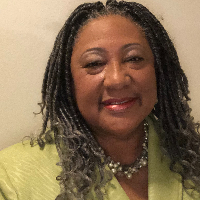
Arkansas · 17 yrs exp
Stress, Anxiety · Addictions · Family · Trauma and abuse · +9 more
Read profile
Arkansas · 3 yrs exp
Stress, Anxiety · Relationship · Self esteem · Depression · +13 more
Read profile
Arkansas · 23 yrs exp
Stress, Anxiety · Addictions · LGBT · Trauma and abuse · +7 more
Read profile
Arkansas · 10 yrs exp
Stress, Anxiety · Relationship · Self esteem · Career · +11 more
Read profile
Arkansas · 3 yrs exp
Stress, Anxiety · LGBT · Relationship · Family · +7 more
Read profile
Arkansas · 14 yrs exp
Stress, Anxiety · Addictions · Trauma and abuse · Self esteem · +9 more
Read profile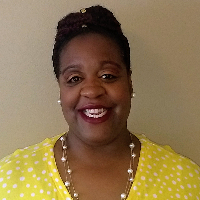
Arkansas · 16 yrs exp
Stress, Anxiety · Parenting · Anger · Self esteem · +14 more
Read profileIf you live in Arkansas you now have many options for receiving mental health care through online therapy. Over the past decade virtual counseling has expanded so that people in both urban centers and rural communities can connect with licensed clinicians without traveling long distances. Two common formats are live video sessions that mimic an in-person appointment and audio-only sessions for clients who prefer phone calls. Many therapists also offer messaging or brief check-ins between appointments to support continuity of care. The availability you see in listings reflects clinicians who are licensed to practice with clients located in Arkansas, and they often specify whether they accept new clients, work with particular age groups, or provide weekend or evening hours.
State rules affect how therapy is delivered across state lines, so therapists who serve Arkansas typically indicate their ability to provide care to people located within the state. If you live in a town where mental health resources are limited, online therapy can increase your access to specialists such as trauma-informed clinicians, family therapists, or providers with experience supporting LGBTQ+ clients. As technology and telehealth frameworks evolve, more therapists are offering hybrid models that combine occasional in-person visits with virtual follow-ups, giving you flexible options to fit your schedule and comfort level.
Online therapy brings practical advantages that matter in daily life. You can save time otherwise spent commuting, which is especially helpful in a state where long drives between towns are common. Being able to attend sessions from home, your workplace, or another convenient location makes it easier to keep regular appointments even when work, school, or weather creates barriers. You also gain access to a wider range of specialists, so if you need a therapist with a particular training - for example in cognitive behavioral therapy, family systems work, or grief counseling - you are more likely to find a match online than by searching only locally.
Another benefit is greater scheduling flexibility. Many online therapists offer early morning, evening, or weekend slots to accommodate busy lives. For people managing chronic conditions, caregiving responsibilities, or tight schedules, virtual sessions reduce the logistical hurdles that can cause gaps in care. You may also find that meeting from a comfortable environment at home helps you feel more at ease initially, which can make starting therapy less intimidating. Finally, online therapy can be a practical step for maintaining continuity when life circumstances change - whether you move within the state, travel for work, or need to quarantine for health reasons.
Therapists who provide online care in Arkansas work with a broad range of concerns. Many clients seek support for anxiety and depression, and online formats are well suited to short- and long-term work on mood regulation, coping skills, and behavioral changes. Relationship issues, including couples therapy and family counseling, are commonly addressed through teletherapy, with clinicians adapting communication tools to the video space. Life transitions such as job changes, relocation, parenting adjustments, and retirement are frequent topics that therapists help you navigate by clarifying priorities and planning next steps.
Trauma and grief counseling are widely offered by clinicians trained in trauma-informed approaches. While some forms of trauma work may begin in-person for certain clients, many therapists successfully provide trauma-focused therapies online, using careful pacing and established safety planning. Therapists also support substance use concerns through motivational interviewing, relapse prevention planning, and coordination with local resources when in-person services are needed. Additionally, online therapists often assist with stress management, sleep difficulties, workplace issues, identity exploration, and parenting guidance. When you read provider profiles, look for mention of experience with the specific issues you want to address and the therapeutic approaches that resonate with you.
Verifying a therapist's license is an important step when you choose online care. Start by identifying the clinician's license type - common credentials include licensed professional counselor, licensed clinical social worker, licensed marriage and family therapist, and licensed psychologist. Each license has a specific title and issuing authority within Arkansas. Once you know the license type, ask the therapist for their license number if it is not listed on their profile. You can then use that information to check the status of the license on the appropriate Arkansas licensing board website.
Most state boards provide an online lookup tool that shows whether a license is active, the expiration date, and any disciplinary actions or public orders. If you cannot find the therapist in an online search, contact the licensing board directly by phone or email for assistance. You may also ask the clinician to provide documentation or a link to their listing on the board site. It is reasonable to confirm that the license covers clinical practice in Arkansas and that the therapist is authorized to deliver services via telehealth to residents within the state. If you have concerns about a clinician's credentials or history, the licensing board can explain what the public records mean and what steps you can take next.
Beginning online therapy starts with a few straightforward steps. First, clarify your goals so you can find a clinician whose specialties align with your needs. When browsing profiles, read bios carefully for information about therapeutic approach, population served, session formats, availability, and fees. Note whether the therapist offers an initial consultation - many clinicians provide a brief, low-commitment meeting so you can ask questions and assess whether their style feels compatible with you. Use that session to inquire about their experience with your concern, how they measure progress, and what a typical course of work might look like.
Consider practical factors too, such as whether the clinician accepts your insurance or offers sliding scale fees, what payment methods they use, and how they handle cancellations and rescheduling. Ask about emergency procedures and how the clinician supports clients if you experience a crisis between sessions, because online care requires a clear plan for accessing in-person services if needed. Pay attention to the technology they use and whether they provide guidance for setting up a reliable connection for video sessions. After a few sessions you will get a sense of whether the approach feels productive; it is okay to switch providers if the fit is not right. Matching with the right therapist takes time and willingness to communicate about your preferences and goals, but finding a good fit can make therapy more effective and sustainable for you.
Choosing an online therapist in Arkansas means balancing clinical expertise with logistical fit. Take advantage of profile details, introductory conversations, and your own instincts about rapport and safety. With thoughtful steps you can find a licensed clinician who helps you move toward clearer coping strategies, stronger relationships, and a better sense of direction in your everyday life.